The Problem with Modern Closets
Most individuals wear 20% of their clothing 80% of the time. The remaining garments serve not as functional apparel, but as physical manifestations of past trends, aspirational identities, or sunk costs. Opening a closet full of clothes but feeling you have "nothing to wear" is a symptom of decision fatigue, not a lack of options.
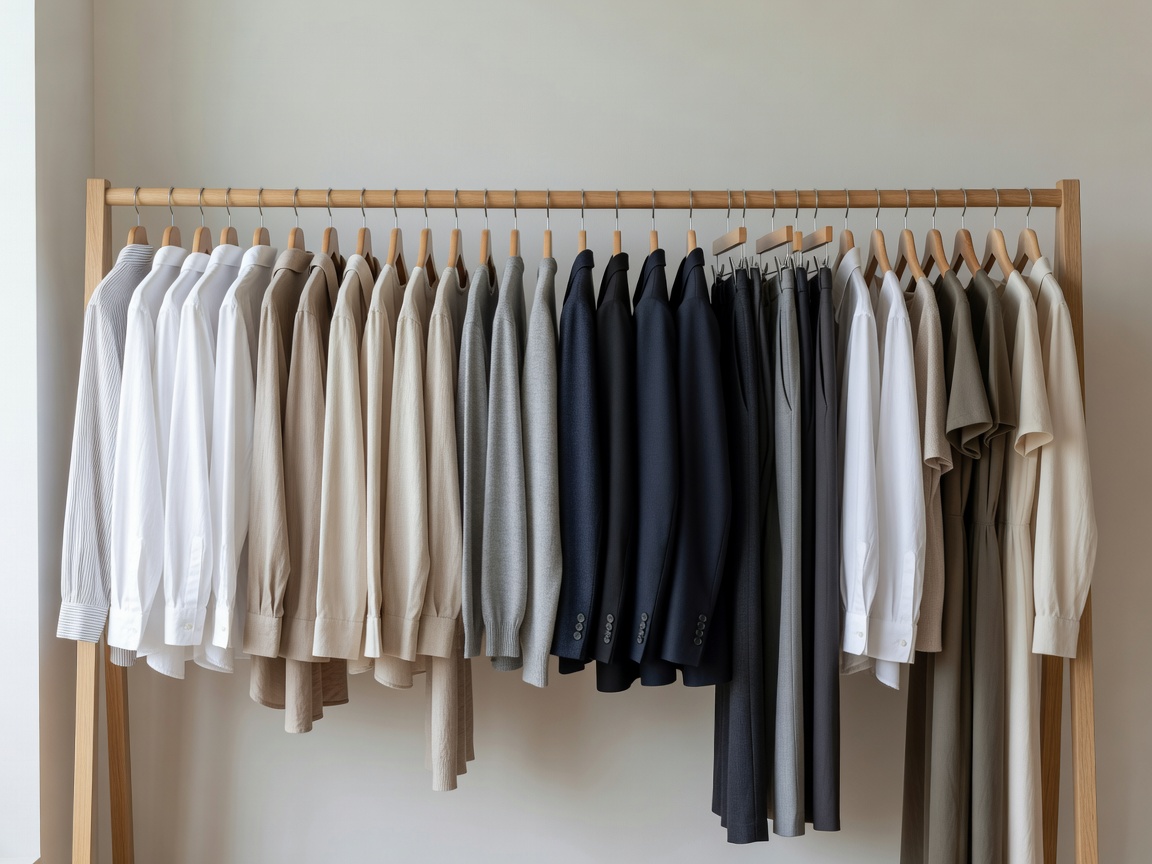
A minimalist wardrobe is not about strictly owning a set number of items. It is about establishing a high signal-to-noise ratio where every garment fits correctly, suits your current lifestyle, and coordinates seamlessly with the rest.
The Capsule Concept
The core methodology for wardrobe decluttering is the capsule approach: selecting a condensed collection of highly versatile, seasonal items. By limiting options, you eliminate the daily friction of getting dressed.
| Wardrobe Type | Characteristics | Maintenance Level |
|---|---|---|
| Traditional | Trend-driven, high volume, poor cohesion | High (Constant sorting, seasonal anxiety) |
| Capsule | Curated, limited palette, versatile | Low (Seasonal rotation only) |
| Uniform | Identical daily outfit (e.g., black turtleneck, jeans) | Zero (Wash and wear) |
The Audit Process
1. The Reality Check
Pull everything out. Empty the closet completely. You must confront the sheer volume of your consumption before you can edit it. Sort items strictly into three categories: Yes, No, and Quarantine.
2. Analyzing the "Yes" Pile
Your "Yes" pile reveals your actual style, not your aspirational one. Look for patterns in color, fabric, and silhouette. These patterns form the foundational rules for your future purchases. If your "Yes" pile consists entirely of neutral knitwear and tailored trousers, stop buying brightly patterned summer dresses that sit unworn.
3. The Quarantine Box
For items you hesitate to discard—often due to guilt over the purchase price—place them in a sealed box out of sight for three months. If you do not actively seek out an item in that time, you have proven to yourself that you do not need it. Donate or sell it without opening the box to avoid a resurgence of emotional attachment.
Sustainable Disposal
Decluttering should not mean transferring your problem to a landfill. Textiles are a significant source of environmental waste.
- Resell: High-quality, branded items can recoup some investment through secondary markets.
- Donate responsibly: Only donate items in good condition that someone else can genuinely wear. Shelters often need coats, professional wear, and new undergarments.
- Recycle: Stained, torn, or unwearable garments should be taken to specific textile recycling drop-offs, not thrown in municipal trash.
Maintaining the System
Once edited, your closet requires a strict defense mechanism to prevent re-cluttering. Adopt a "one-in, one-out" rule. Require a 48-hour cooling-off period before purchasing any new clothing. Transitioning from mindless accumulation to intentional curation saves time, capital, and mental energy every single morning.